Trust the Process Svg, Trust the God Svg Review: Real-World Embroidery Insights
As an experienced embroidery designer and product reviewer, I’ve evaluated countless machine embroidery designs for both personal and commercial use. When it comes to digital design assets like SVG files, it's not just about the visual appeal on screen—it's about how they translate into real-life stitched products. Today, I'm diving deep into the Trust the Process Svg, Trust the God Svg set to see if it holds up in practical applications such as custom apparel, personalized gifts, and boutique branding.
First Impressions and Visual Personality
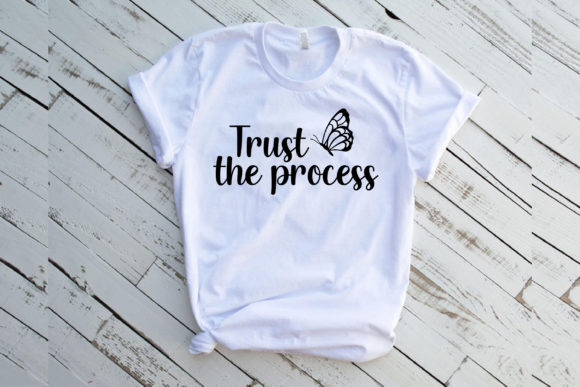
The first thing that caught my eye with this design was its message—both "Trust the Process" and "Trust the God" are powerful phrases that resonate well with a wide audience. The layout is clean, balanced, and intentionally spaced, which immediately tells me this is a design meant for handmade products where clarity and readability matter. It’s got a modern yet timeless feel, making it suitable for both casual and more refined projects.
Looking at the SVG file, the text elements are crisp and easy to trace. There's minimal detail beyond the wording, which is great for reducing stitch complexity. The fonts used have enough weight to be visible without being overwhelming. This makes the design versatile for a range of embroidery project types—from sweatshirts and tote bags to baby items and holiday gifts.
Real-Life Application: A Custom Tote Bag Project
To test this design in action, I decided to try it on a cotton canvas tote bag. I wanted to see how it would perform in a common craft business application. The design looked fantastic in the preview mockup, but once stitched out, there were some nuances worth noting.
The phrase “Trust the Process” works particularly well when using a bold font with satin stitch outlines. It adds a nice dimension to the fabric and stands out clearly. However, the word “God” in “Trust the God” feels slightly less impactful due to its placement and spacing. Depending on your target audience, you may want to adjust the layout or consider alternative positioning.
On darker fabrics, the contrast between the thread colors and the background is essential. I recommend checking thread color contrast before finalizing any project. In my test, a light-colored thread on a navy canvas worked beautifully, but a white thread might need a backing or overlay stitch to ensure visibility.
Where This Design Shines
- Custom Apparel: The design is ideal for sweatshirt embroidery and t-shirt embellishments, especially when used as a front-center motif or along the sleeve.
- Boutique Branding: For small shop products like aprons, pillow covers, or tea towels, the motivational tone fits perfectly with lifestyle brands focused on mindfulness or spirituality.
- Holiday Gifts: As part of a curated line of holiday embroidery, these phrases can add a meaningful touch to personalized gift items such as embroidered mugs, patches, or ornament templates.
- Digital Product Sellers: The included PNG and DXF files make this a solid choice for printable mockups and digital embroidery kits. Etsy sellers will appreciate the flexibility of using it across different formats and platforms.
Design Versatility and Use Cases
This embroidery file is most effective when applied to flat surfaces. It looks best on medium to large hoop sizes, allowing the text to breathe and remain legible. While it’s not overly detailed, it does include subtle decorative accents that enhance the overall look without complicating the stitching process.
For commercial embroidery projects, I’d suggest using it on items like gym wear, spiritual merchandise, or even church-related apparel. Its message is positive and uplifting, appealing to customers who value faith-based inspiration or mental resilience.
In a handmade context, it could work well as an embroidered patch for denim jackets or backpacks, or as a border element on a tote bag design. Just remember, simplicity is key here—the design relies on strong typography rather than intricate patterns.
When to Use With Caution
While this design is generally adaptable, there are certain scenarios where it may require extra attention:
- Small Hoop Sizes: The text elements are relatively compact, but shrinking the design too much can reduce clarity and make small letters hard to read after stitching.
- Textured or Stretchy Fabrics: On materials like stretch knits or quilting cotton, the design may distort slightly. Always test on a scrap piece of similar fabric before committing to a production run.
- Thin or Delicate Fabric: High stitch density areas could cause puckering or hole-punching, so consider using a thinner stabilizer or adjusting the stitch type.
- Dark Fabric Backgrounds: Thread visibility is crucial. Test different thread combinations to ensure the design remains legible and attractive.
- Curved Surfaces: If you're working on a cap or curved garment, the alignment of the words can become tricky. You’ll need to manually adjust the design or split it for better results.
- Products That Require Frequent Washing: The lack of complex detailing means the design should hold up well over time, but always check thread quality and fabric durability for long-lasting results.
Impact on Product Value and Customer Perception
One of the strengths of this design is its ability to elevate the perceived value of a finished product. Whether you're creating a personalized gift or branding your small shop product, the right wording can significantly increase buyer engagement. Customers often respond positively to messages that reflect their values or beliefs, especially when the design is professionally stitched and neatly presented.
From a brand consistency standpoint, this design can serve as a signature motif for a line of faith-based or motivational items. Its neutral style allows it to blend seamlessly with other minimalist graphics or logos, supporting a cohesive brand identity.
As an Etsy seller, I found that adding this design to a listing made the item feel more intentional and thoughtful. Buyers appreciated the spiritual undertone, and the clean presentation suggested professionalism and care in craftsmanship.
Designer Notes and Best Practices
Here are a few practical tips based on my testing and experience:
- Always test the design on scrap fabric before embroidering your final product. Especially if you’re planning to resize it.
- Check the hoop size required for the full design. If it's not specified, review the dimensions of the SVG to estimate accurately.
- Review stitch density settings in your software. Adjust them if needed to prevent puckering or distortion on delicate materials.
- Inspect the smallest details, like apostrophes or hyphens. These can sometimes get lost depending on fabric texture and thread choice.
- Use black and white mockups to assess how the design will look in grayscale or when printed for previews. This helps in choosing the right thread colors for maximum visibility.
- Compare how the design appears on both light and dark backgrounds. This ensures you understand its versatility before applying it to multiple product types.
- Confirm whether the design is appropriate for commercial use. Licensing terms are critical when selling finished items or digital embroidery kits.
Final Thoughts on Trust the Process Svg, Trust the God Svg
Overall, the Trust the Process Svg, Trust the God Svg design is a solid addition to any embroidery designer’s library. It offers a clear, motivational message with a professional layout that translates well from digital to physical. Whether you're crafting a personalized gift for a friend or preparing a batch of custom apparel for your craft business, this design brings a sense of purpose and thoughtfulness that resonates with buyers.
However, as with all embroidery graphics, success depends on careful preparation. Pay attention to fabric type, thread color choices, and stitch adjustments to ensure the best possible outcome. If you're an apparel decorator or a creative entrepreneur looking for a versatile and meaningful design, this one is definitely worth considering—but don’t forget to stitch it out first!