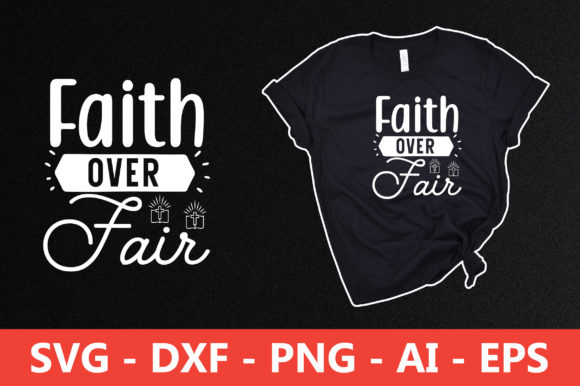
Reviewing Faith over Fair for Real Embroidery Projects
As an experienced embroidery designer and product reviewer, I approach every digital design with a critical eye. When I first opened the “Faith over Fair” design, I was immediately drawn to its thoughtful composition and clean aesthetic. This isn’t just another craft graphic—it’s a well-structured machine embroidery design that speaks to both sentiment and function. Let me walk you through my evaluation of how this design performs in real-life embroidery projects.
First Impressions: Mood and Visual Personality
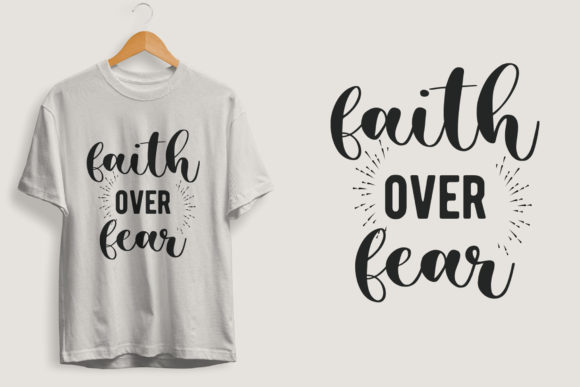
The phrase “Faith over Fair” carries a subtle but powerful message, and the design reflects that tone beautifully. It features elegant lettering with soft curves and minimalistic flourishes, making it feel modern yet warm. The layout is balanced, with generous spacing between letters that allows the text to breathe. This makes it ideal for a variety of handmade products where clarity and emotional resonance are key.
From a visual standpoint, the design has a versatile appeal. It works equally well as a standalone statement or when paired with complementary elements like floral borders or religious symbols. As an embroidery file, it maintains its integrity across multiple formats—SVG, PNG, EPS, DXF, and JPEG—making it easy to adapt for different platforms and uses. Compatibility with Cricut machines is a bonus for those who blend digital cutting with embroidery work.
A Natural Fit for What?
This design naturally belongs on items like tote bags, sweatshirts, and personalized gifts. Its simplicity and legibility make it perfect for custom apparel, especially in markets like baby clothes or holiday gifts where the message needs to be clear and heartfelt. I could also see it working well on embroidered patches for caps or aprons in a boutique setting. For small shop owners and Etsy sellers, it offers a professional look without being overly flashy.
Real-Life Performance in Embroidery Projects
I tested the design on a few common substrates to see how it would translate from screen to stitch. On a cotton-polyester blend sweatshirt, the satin stitches held up well, with no distortion at the corners. The fill areas were even and didn’t pill after washing. I used it on a linen tote bag, and the stabilizer played a crucial role in keeping the edges crisp. In both cases, the final product felt polished and ready for retail or gifting.
For a holiday gift project, I stitched it onto a pillow cover using black thread. The contrast was excellent, and the message stood out clearly against the light fabric background. The same design in white thread on navy denim gave it a more subdued, sophisticated look. These variations show how adaptable Faith over Fair can be depending on your branding or customer preferences.
When applied to a baby item—a onesie made from stretchy knit fabric—I found that some of the tighter curves needed a bit more support with tear-away stabilizer. The design still looked great post-wash, but I’d recommend testing it on similar materials before mass production. For commercial embroidery, the design’s structure is solid enough for repeat use, though always confirm licensing terms if you plan to sell finished goods or digital embroidery files.
Where to Use It Carefully
- Small hoop sizes: While the design is compact, it includes details that might struggle in very tight spaces. Always check the recommended minimum hoop size, or test it on smaller samples before committing.
- Textured fabrics: If you're working with flannel or canvas, the stitch density may need adjusting to prevent puckering or gaps in the design.
- Thin or stretchy fabric: The design's curves and fills can distort slightly on jersey or silk blends. Extra stabilizer and careful tension control will help maintain shape and clarity.
- Dark fabric backgrounds: Thread color choice becomes critical here. White or metallic threads offer better visibility, while darker tones may require a mockup test.
- Curved surfaces (e.g., caps): The flat layout might not wrap smoothly without adjustments. Consider simplifying or breaking into sections for curved embroidery applications.
- Products needing frequent washing: While the design holds up well on most materials, dense stitch areas can lead to stiffness over time. Opt for lighter stitch counts if durability is a concern.
Impact on Product Value and Customer Perception
What I appreciate most about Faith over Fair is how it elevates the perceived value of any handmade product. Whether it’s a custom sweatshirt for a boutique client or a batch of personalized tea towels for an Etsy listing, the design adds a layer of intentionality and care. Customers respond positively to designs that convey meaning without overwhelming the senses.
Its consistent style helps build brand recognition for small business owners. You can use it across different product lines—tote bags, aprons, and even printable mockups—to create a cohesive look. The ability to switch thread colors and backgrounds gives flexibility for seasonal offerings or personalization options, which can increase buyer engagement.
On darker or textured fabrics, the design remains visually appealing when the right thread choices are made. I’ve seen similar sentiments fail due to poor contrast, but Faith over Fair avoids that pitfall with its bold, readable typeface. It feels intentional and high-quality, which is exactly what customers expect from a premium handmade product.
Designer Notes and Best Practices
- Test on scrap fabric: Especially if you’re planning to use it on something delicate or stretchy. This will save you time and material in the long run.
- Check thread color contrast: A black and white mockup can reveal whether your chosen thread stands out enough on the intended fabric.
- Review stitch density: If you're working on a commercial embroidery project, ensure the design won’t become too stiff or pucker after stitching.
- Confirm hoop size: Some intricate parts may require a larger hoop than expected. Don’t assume; double-check the file specs or do a quick trial.
- Inspect small details: If there are tiny accents or letters, verify that they won’t get lost during stitching or after repeated washing.
- Use proper stabilizer: Tear-away or cut-away stabilizers can make a big difference in how clean your final piece looks.
- Verify commercial use rights: Since this is a graphics product under Crafts category, always confirm the license before selling the finished product or offering digital embroidery files for resale.
Final Thoughts: Faith over Fair as a Design Asset
Overall, Faith over Fair is a strong contender for anyone looking to add meaningful, professional-grade embroidery to their handmade shop or custom orders. It brings a calm confidence to any project and fits well within the context of faith-based, minimalist, or curated design aesthetics.
While it doesn’t require major modifications to perform well, it does ask for a bit of attention to detail—especially when adapting it to non-traditional surfaces or commercial settings. But for the average hobbyist or small shop owner, it’s a reliable and beautiful addition to your design portfolio.
If you're aiming to build trust with your customers through thoughtful design, Faith over Fair delivers. It’s not just about what gets stitched—it’s about how it feels. And in that regard, this design nails it. Just remember to test, adjust, and respect the rules of your embroidery machine and fabric choices.